
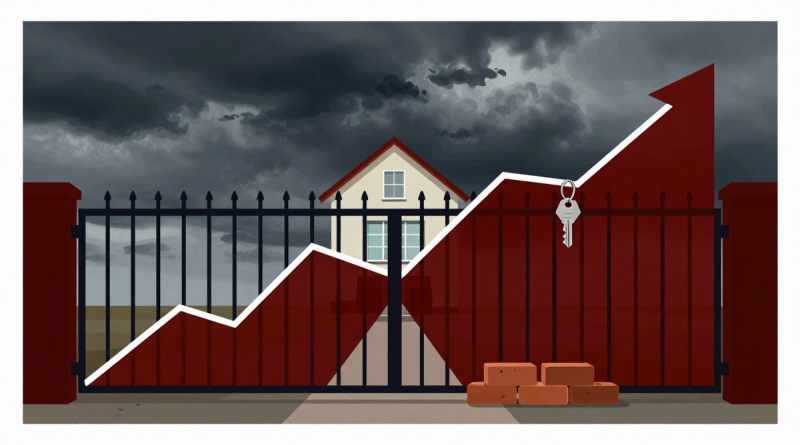
A 7% Mortgage Rate Is Not Just a Number. It Is a Locked Door.
Mortgage rates climbing above 7% are not just another line on a financial chart. They are a locked door for people who need a home, need to move for work, need more room for a growing family, or need to downsize without getting crushed in the process. I do not buy the idea that this is simply the market working as it should while everybody waits patiently for conditions to improve.
The headline says housing gridlock is deepening, and that is exactly the right word. A healthy housing market lets people make practical decisions: take a job, leave an unsafe or unsuitable living arrangement, move closer to family, sell a house they can no longer maintain, or buy a first home after years of saving. Gridlock means those ordinary decisions become expensive gambles or impossible choices.
When rates rise above 7%, the damage does not stop with the person trying to buy a house. Sellers may stay put because moving means trading an old mortgage for a far more expensive one. Fewer homes come on the market. Buyers face fewer choices. Families that could have built stability through ownership remain renters longer. Renters, meanwhile, are competing in a market shaped by people who have been shut out of buying. That is not one isolated problem. It is a system squeezing people from several directions at once.
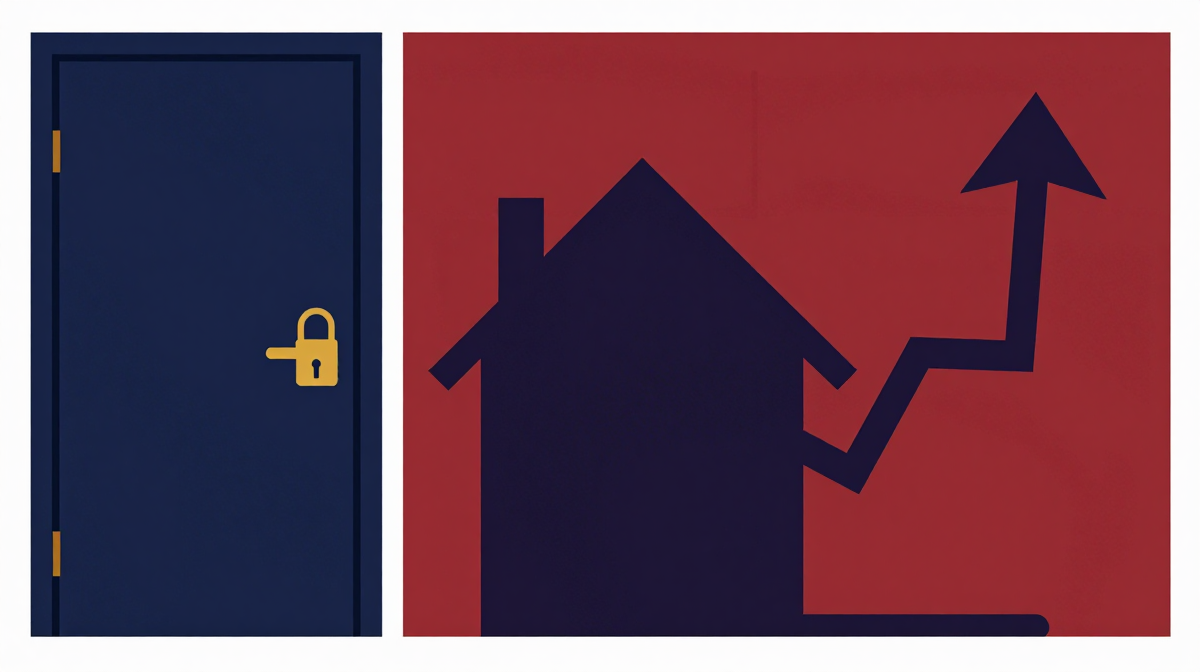
I am tired of hearing working people treated as though every hardship is a lesson in personal responsibility. Responsibility matters. Saving matters. Living within your means matters. But no amount of lectures changes the fact that the cost of borrowing can turn a reasonable plan into a dead end. A family can do what it was told to do, work, save, avoid reckless spending, and still find that the basic next step in life has moved farther away.
The Federal Reserve officials expecting more rate hikes say the goal is to curb inflation. Fine. Inflation punishes ordinary people too. It eats through paychecks, raises grocery bills, and makes every trip to the gas station or hardware store more aggravating than it ought to be. But institutions making these decisions need to stop acting as though the pain is theoretical. Higher rates are a blunt instrument. They may hit inflation, but they also hit the people trying to finance a home, start a small business, or make a necessary move.
That is why accountability matters. If policymakers believe more rate hikes are necessary, they should say plainly what they expect the public to absorb, how long they expect it to last, and what conditions would tell them the medicine is no longer helping. “We are watching the data” is not an answer when people are watching the door close on homeownership. A clear explanation does not erase the hardship, but evasive language makes it worse.
There is also a local lesson here. Communities cannot control national interest rates, but local officials can stop making housing unnecessarily harder and more expensive through delay, confusion, and rules that serve no real public purpose. Safety standards, infrastructure planning, and protections for neighboring property owners are legitimate. Endless hurdles, unclear expectations, and arbitrary obstruction are not. If we say we want working families to live and invest here, our local systems ought to act like it.
The country has spent years talking about housing as though it is either an investment vehicle for people already established or a political talking point for people seeking office. It is neither, at least not first. A home is where a family sleeps, stores its belongings, raises children, cares for aging relatives, and tries to build some measure of independence. Treating that goal as a luxury reserved for people who caught the right market at the right time is a rotten way to run a country.

I do not expect government to manufacture cheap houses or pretend economic reality does not exist. I do expect the people with authority over monetary policy, public spending, and local development to recognize the system they are creating. A 7% mortgage rate may be a statistic to them. To a working family, it can be the difference between moving forward and being stuck. That should bother us enough to demand more than polished explanations and crossed fingers.