Polarization in American politics traced to party affiliation shifts
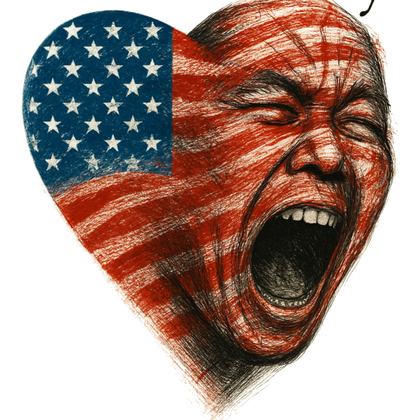
The episode argues that American politics has become super polarized, with congressional majorities near an even split. Voter registration data shows that in three out of four counties, the share of voters registered outside the two major parties grew over the past decade. In Colorado counties, unaffiliated voter share has grown to outpace both major parties.
As of April 2026, 43% of registered voters have declared a party affiliation—39.2 million Republicans and 45.4 million Democrats—while 70% of eligible Americans are registered to vote. The process by which people align their party identity based on liberal or conservative ideology has become increasingly tied to one party over another, leading to distrust, animosity, and contempt.
The historical context shows that the left-right divide between parties was not always clear-cut. In the wake of the Civil War, liberal Republicans from New England and conservative Southern Democrats shaped voting and civil rights. By 1964, President Lyndon B. Johnson’s Civil Rights Act enjoyed bipartisan support, signaling a shift that eventually led conservative Democrats to move to the Republican party and liberal Republicans to fully align themselves.
Read the full story at usafacts.org.