
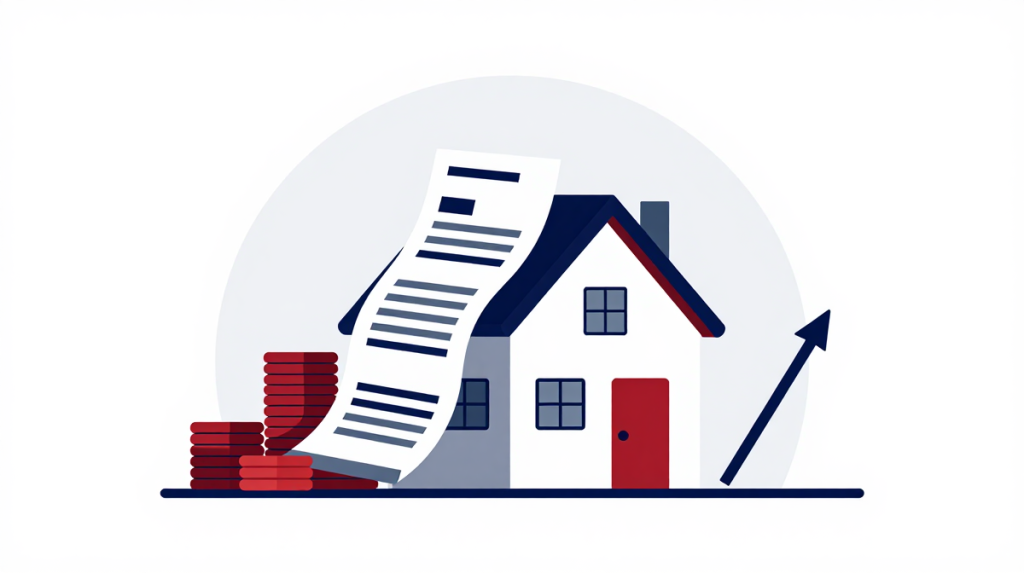
When Interest Rates Reach the Utility Bill, Someone Owes Families an Explanation
A utility bill should tell a family what it is paying for. When higher interest rates drive up those bills, as this week’s coverage reports, people deserve more than a total at the bottom of a page. I want to know what costs are rising, how they reach customers, and who is responsible for explaining them. Families cannot budget around a system that sends the bill first and the explanation never.
I don’t buy the idea that a cost becomes inevitable just because it has a respectable name. Interest rates, financing costs, inflation: those terms may describe real pressures, but they do not answer the basic question facing a household. What part of this increase could the people setting rates control, and what part could they not? If the answer is complicated, the job is to make it understandable, not to hide behind the complication.
That matters because utilities are not ordinary purchases. A family can put off replacing a shirt or choose a cheaper restaurant. It cannot casually decide that electricity or heat is optional. When costs for essential service climb, the people paying have limited room to respond. That gives the institutions involved a greater duty to be clear about decisions, tradeoffs, and the path from a higher cost to a higher bill.
The Federal Reserve’s rate decisions are part of this week’s news too: one headline says it is likely to hold rates in October while the odds of a December hike rise; another says hot inflation data lifted the odds of another hike. Those reports describe uncertainty at the national level. They do not tell a local customer what is happening inside a particular utility bill. That gap is exactly where clear public explanations matter.

If higher rates are adding to the cost of providing service, customers should be able to see that connection in plain language. If other costs are involved, those should be identified too. And if a proposed increase is being reviewed, the people making that decision should be able to explain what they examined and why the result is reasonable. “Costs went up” is a starting point for an explanation, not the whole explanation.
This is not an argument that every rate increase is wrong or that a utility can simply wish away the cost of money. It is an argument that necessity should be demonstrated. Institutions that ask families to absorb higher costs should show their work. What changed? Who made the decision? What options were considered? What will the next step be? Those are ordinary questions, and people paying the bill should not need special access or technical fluency to ask them.
The same standard should apply to public officials and regulators. Oversight is not meaningful if it only confirms that paperwork exists. It should test whether the proposed costs are supported, whether customers are being treated fairly, and whether the explanation matches the decision. If the answer is yes, officials should be able to say so clearly. If the answer is no, they should have the authority and backbone to demand a better answer.
Families should not be asked to carry every uncertainty in the economy on their own while institutions speak in careful phrases that leave nobody accountable. A higher rate may have causes beyond any one local decision. But the way those costs are passed along, reviewed, and explained is still a matter of choices and responsibility. Respect for customers means treating them as people entitled to an answer, not as an audience expected to accept a number.
I’d rather see a difficult, specific explanation than another polished notice that says little. People can understand that costs change; what they should not have to accept is a system where the people paying cannot tell who owns the decision or what comes next. When interest rates reach the utility bill, the response should be transparency, scrutiny, and a clear account of responsibility. That is not asking for a favor. It is the minimum standard for a service families depend on.