
Washington Can’t Keep Borrowing Its Way Out of Responsibility
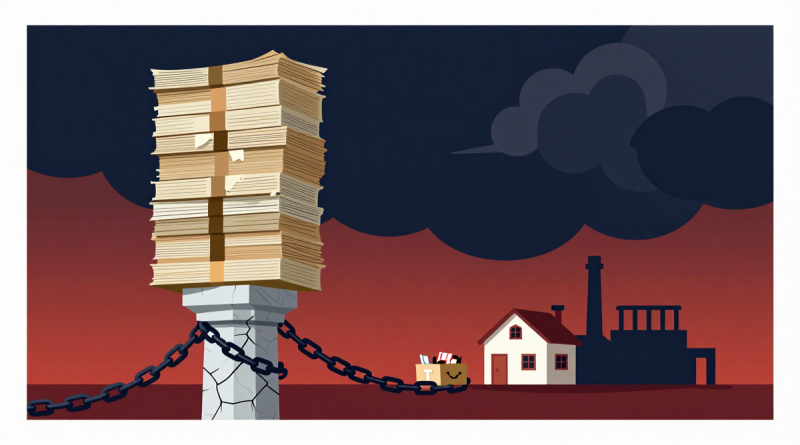
The federal debt has reached $40 trillion, and I do not buy the idea that this is just another big number Americans should shrug off because the people in Washington have made it sound normal. Interest costs are climbing. Long-term bond yields are pushing borrowing costs higher across major economies. Those are not separate stories. They are the bill arriving for years of politicians treating borrowed money like a political magic trick.
The basic problem is not complicated: government leaders want credit for spending, tax cuts, programs, projects, emergencies, and promises, but nobody wants to own the full cost. They want the applause today and someone else’s problem tomorrow. Ordinary families do not get to run their household that way. Local governments do not get to run forever that way. A food pantry certainly cannot promise food it does not have and call the shortage a future budget issue. But Washington has spent decades acting as if the rules of arithmetic apply only to people without lobbyists.

That does not mean every dollar of public spending is wasteful or that government has no role in helping people. It plainly does. Communities need infrastructure, public safety, courts, and support for people who are genuinely in trouble. People who need food do not become less hungry because somebody gave a speech about fiscal discipline. I have no patience for politicians who use concern for struggling families as a prop while refusing to build a government capable of doing the basics honestly.
But compassion is not a blank check, either. A system that borrows without a credible plan eventually puts the squeeze on the same people it claims to protect. Higher borrowing costs do not stay trapped in a report from Washington. They affect mortgages, business loans, local projects, and the ability of working people to get ahead. When government competes for more and more money at higher and higher rates, regular people are left dealing with the fallout while officials argue over whose talking point sounds kinder.
The current fight over Congress’s control of spending gets at a bigger issue than partisan theater. Congress is supposed to make spending decisions because its members answer to voters. That does not make Congress efficient, wise, or admirable by default. Anyone who has watched it operate knows better. But it does mean the power to spend public money cannot become a loose privilege for whichever administration happens to be in charge. If Congress wants to fund something, it should say so clearly, pay for it honestly, and defend that decision in public.
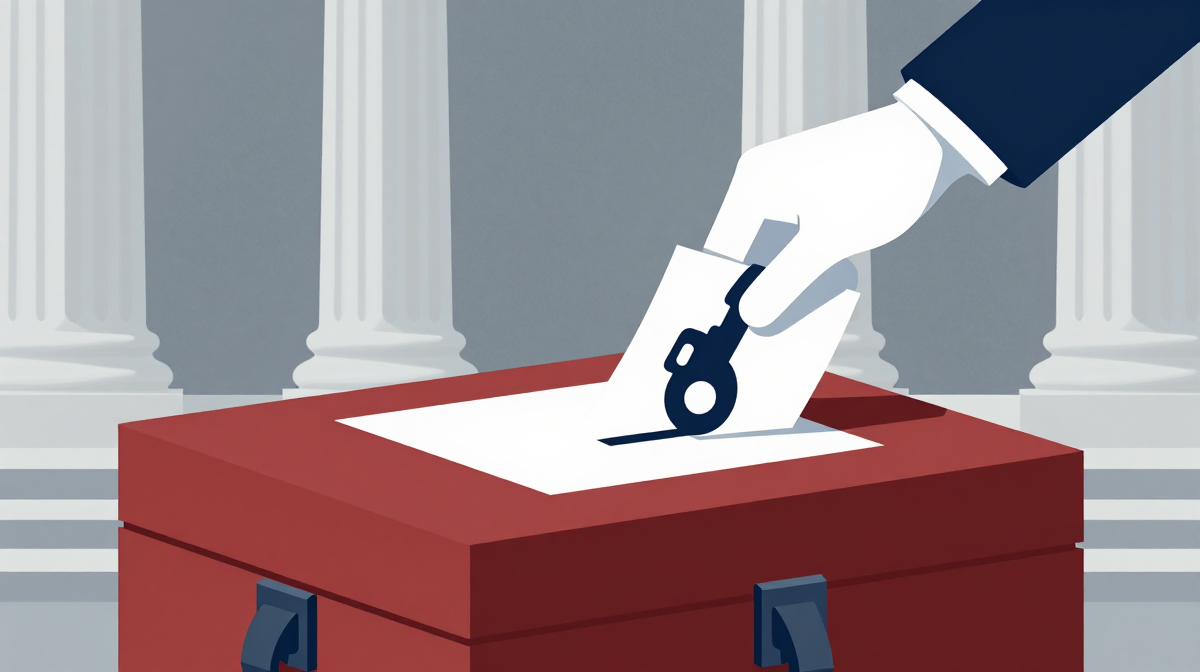
The same standard should apply to every side. Republicans do not get to call themselves guardians of taxpayers only when Democrats are spending. Democrats do not get to describe every objection as cruelty whenever someone asks how a program will be funded. And presidents of either party should not get to act as though voters handed them a personal checking account. If a policy is worth doing, its supporters should be able to explain its cost, its authority, its expected result, and who is accountable when it fails.
What frustrates me most is the institutional double standard. Government will demand paperwork, proof, deadlines, compliance, and consequences from a family seeking help, a small business trying to stay open, or a local organization seeking a grant. Then the same government can add trillions in debt and offer the public a fog of talking points. Apparently accountability is mandatory for everyone except the people making decisions at the largest scale.
There is also a difference between emergency action and permanent irresponsibility. Real emergencies happen. Governments must sometimes move quickly, and pretending otherwise is unserious. But an emergency should come with an accounting afterward: what was spent, why it was necessary, what worked, what did not, and what ends now that the emergency has passed. Instead, temporary urgency too often becomes a permanent excuse. That is how systems become bloated, untrustworthy, and nearly impossible to fix.
The answer is not to abandon people or to slash blindly until public services stop working. The answer is to force priorities. Fund what government is actually responsible for. Protect assistance for people who truly need it. Cut the nonsense, the duplication, the political vanity projects, and the habit of making promises without naming the price. Make agencies prove results. Make lawmakers vote on the real cost. Make every administration respect the limits of its authority.
A $40 trillion debt should be an alarm, not a number politicians casually step over on their way to the next announcement. I would rather hear a hard, honest argument about what we can afford than another polished lie that says we can have everything forever without consequence. The country does not need more performance from its leaders. It needs adults willing to make choices, explain them plainly, and finally own the damn bill.